Essential Tips for Creating Stunning Website Design That Astounds Site Visitors
When it comes to web design, you're not simply producing a site; you're crafting an experience for your site visitors. It is necessary to understand that your target market is and what they want. By focusing on user experience and ensuring your layout is both receptive and aesthetically attractive, you can make a substantial influence. But there are extra aspects to contemplate that can raise your style even additionally. Let's discover those essential ideas.
Understand Your Target Audience
Just how well do you truly understand your target audience? Recognizing that your visitors are is vital for reliable website design. Begin by recognizing their demographics, interests, and pain points. Ask on your own what troubles your web site can resolve for them. Usage studies, analytics, and social media understandings to gather valuable data.Once you've obtained a clear photo of your target market, tailor your layout components to reverberate with them. Select shades, fonts, and visuals that attract their choices. If your audience skews younger, consider modern-day, vivid looks. For a specialist crowd, a streamlined, minimal approach could function much better.
Focus On Individual Experience
While you might have a magnificent style, it will not matter if your users can't navigate your website conveniently. Prioritizing individual experience is vital for keeping site visitors engaged. Beginning by guaranteeing your website's design is instinctive. Use clear headings, sensible food selections, and consistent navigation components. By doing this, users can discover what they need without frustration.Next, concentrate on tons times. A slow site can drive customers away, so enhance images and reduce unnecessary scripts. Make sure your content is understandable also-- select legible fonts and keep a good comparison between text and background.Don' t forget availability. Guarantee that your layout suits all users, consisting of those with handicaps. Usage alt texts for images and provide key-board navigating options.Finally, examination your site with real users. Gather feedback, recognize discomfort points, and make modifications. By prioritizing user experience, you'll create a site that astounds and keeps site visitors.
Make Use Of Responsive Style
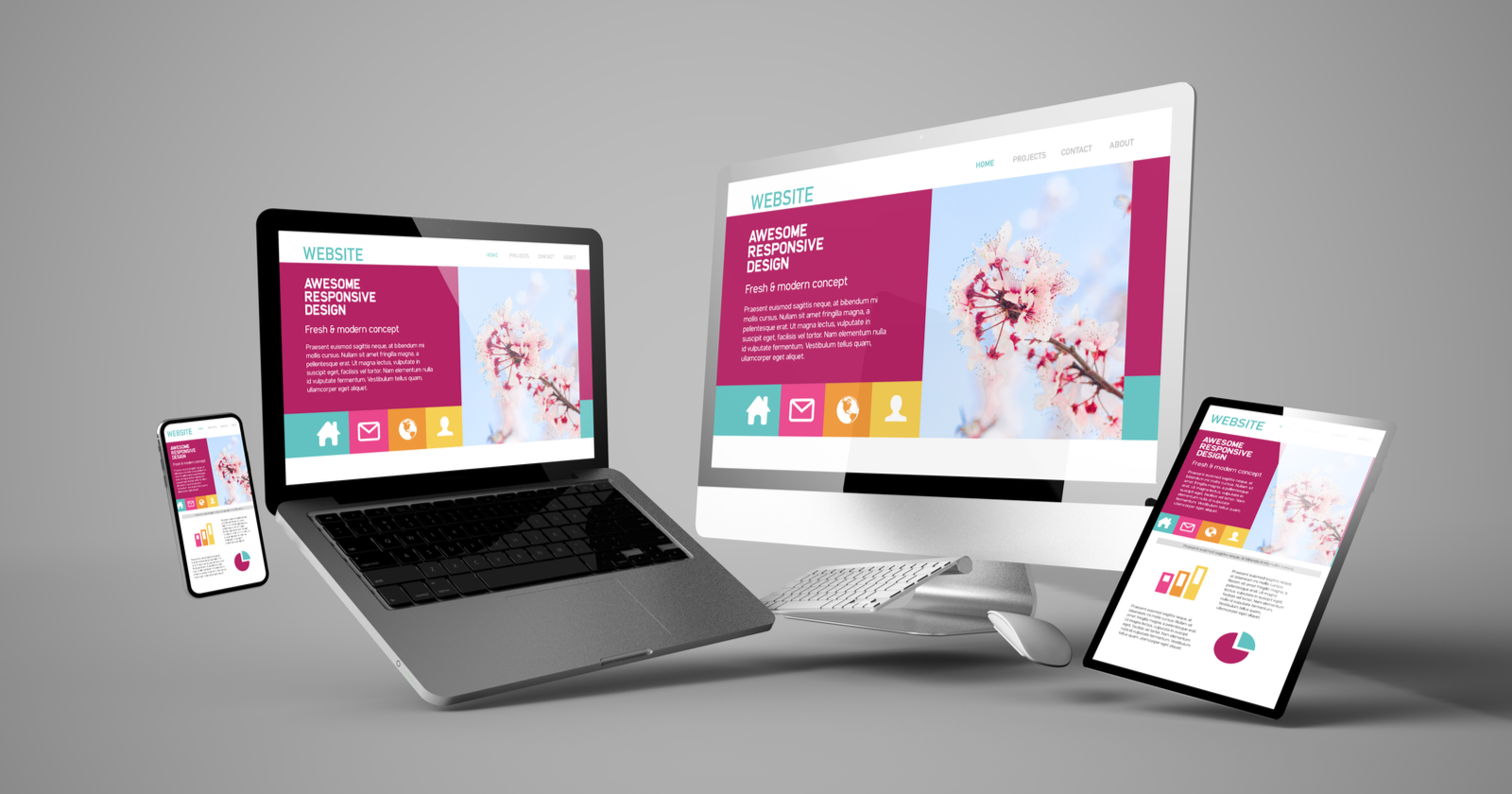
When making your site, you can't ignore the relevance of receptive layout. By developing mobile-friendly formats, executing liquid grid systems, and using media queries, you'll guarantee your website looks great on any device. This strategy not only boosts customer experience however also enhances your site's ease of access.
Mobile-Friendly Layouts
Have you ever tried steering a website on your phone only to be discouraged by little message and cramped formats? You're not alone, which's why mobile-friendly formats are crucial. To keep your visitors involved, assure your site adapts perfectly to different screen dimensions. Usage adaptable pictures and scalable typography so content looks excellent on any tool. Focus on touch-friendly switches and navigating to make browsing simple and user-friendly. Remember, a tidy, easy layout can improve user experience and motivate longer visits. Test your layout on different tools to identify any kind of problems. By developing a mobile-friendly layout, you'll not only boost access but additionally raise visitor complete satisfaction, inevitably increasing your web site's success. Do not neglect this important facet of modern-day web layout!
Fluid Grid Systems
Creating a mobile-friendly format establishes the stage for carrying out liquid grid systems in your internet design. Liquid grids allow your format to adapt flawlessly to numerous display sizes, ensuring a constant experience for all customers. Instead of dealt with pixel measurements, use family member systems like portions to define your layout aspects. This strategy assures that your design continues to be symmetrical, no matter the device.When utilizing fluid grid systems, prioritize essential web content placement and readability. Break your layout into columns that can pile or reorganize based on the screen width. Remember, the goal is to create a visually attractive interface that preserves functionality throughout gadgets. By welcoming fluid grids, you'll improve user involvement and maintain site visitors mesmerized on any kind of display.
Media Queries Use
Media inquiries are essential devices in responsive web design, allowing your website to adjust to various devices and screen sizes. By using media questions, you can use certain CSS policies based on device characteristics like resolution, size, and height. This indicates your web site can look wonderful on cellphones, tablets, and desktop computers without compromising high quality or usability.Start by specifying breakpoints in your CSS that target different screen sizes. As an example, you could change font dimensions or design structures for smaller sized screens. Constantly evaluate your layout throughout different devices to assure ideal watching experiences. Keep in mind, a responsive layout not only improves individual interaction but likewise enhances your site's online search engine ranking. Welcome media queries and enjoy your website design radiate!
Select the Right Color Combination
Selecting the right shade scheme can make or break your website design. Colors stimulate emotions and set the tone for your website, so it's vital to pick carefully. Beginning by understanding your brand name identification. If you wish to share trust, take into consideration blues; for excitement, choose vivid reds or yellows.Next, limit your palette to three to 5 shades. Too lots of tones can overwhelm visitors and take away from your message. Use tools like Adobe Color or Coolors to assist you discover harmonious combinations.Don' t neglect about contrast; it improves readability and overviews customers through your content. Ensure your message sticks out versus the background.Finally, take into consideration ease of access. Use color combinations that get along for color-blind users and make specific your website remains functional for everybody. By selecting the ideal colors, you'll create an inviting environment that maintains site visitors involved and encourages them to explore.
Include Visual Hierarchy
To produce an efficient internet layout, you need to integrate visual hierarchy. Begin by specifying crucial elements clearly, using size and color to draw attention where it matters most. Consistent designs will certainly aid lead your visitors, making it simpler for them to navigate your material.
Define Key Aspects Clearly
Visual power structure is important in website design, guiding individuals via your content perfectly. To specify crucial elements clearly, prioritize what's most crucial. Use subheadings and headings to produce a rational structure, making it very easy for site visitors to scan your site. Establish that your primary message attracts attention, attracting interest without overwhelming the audience. Separate message with bullet factors or listings to highlight considerable information, making it digestible. Uniformity in font options and spacing likewise plays a crucial function in presenting your content plainly. Furthermore, incorporate whitespace successfully to provide aspects space to breathe, aiding individuals focus on each area. By defining essential aspects clearly, you boost the overall individual experience and keep site visitors engaged.
Usage Dimension and Color
Specifying crucial elements plainly sets the phase for utilizing dimension and color successfully. Select a color combination that reflects your brand identification and evokes the ideal emotions. Use contrasting shades to draw focus to important components like phone call to action. Next off, utilize dimension to establish an aesthetic hierarchy; bigger components normally draw in even more interest. web design london ontario. For example, headings need to be famous and vibrant, while more info sustaining message can be smaller sized and subtler. This combination overviews visitors' eyes through your material, making navigating intuitive. Bear in mind, balance is vital-- as well several colors or extra-large aspects can bewilder your target market. By thoughtfully using size and shade, you'll boost user experience and keep visitors engaged longer
Apply Consistent Layouts
Creating a constant design throughout your internet site is vital for preserving a smooth user experience. When visitors experience a familiar structure, they can navigate your website much more quickly, keeping their attention concentrated on your material. Usage aesthetic pecking order to assist individuals with your web pages. Prioritize crucial elements like headings, photos, and calls to activity by differing sizes and shades, which helps produce an user-friendly flow.Ensure your style components-- like switches, font styles, and spacing-- are uniform throughout the site. This uniformity cultivates brand name acknowledgment and count on. Additionally, arrange info logically, so customers can locate what they require without frustration. Executing these methods will not only enhance aesthetic charm however also encourage visitors to remain longer and engage more deeply with your material.
Optimize for Efficiency
To ensure your internet site runs smoothly and efficiently, optimizing for efficiency is essential. Beginning by reducing your image dimensions without sacrificing top quality. Usage layouts like JPEG or WebP, and consider pressing pictures prior to posting. Next, utilize web browser caching to speed up tons times for returning visitors. In this manner, they won't need to download the very same sources each time they see your site.Additionally, decrease the usage of heavy manuscripts and plugins that can decrease your website. Instead, go with lightweight alternatives that preserve capability without jeopardizing rate. Executing a Web Content Delivery Network (CDN) can additionally help distribute your material much more successfully, minimizing latency for users throughout different places. Ultimately, frequently check your internet site's performance with tools like Google PageSpeed Insights, making essential adjustments to ensure optimum lots times. By concentrating on these facets, you'll develop a faster, much more effective internet site that maintains visitors involved.
Maintain Web Content Fresh and Engaging
While a visually attractive style catches interest, maintaining your material appealing and fresh is what genuinely holds visitors on your site. Update your content frequently to show the newest trends, insights, and information in your sector. This not just improves your reputation yet likewise motivates repeat visits.Use a selection of content formats, like infographics, video clips, and blog sites, to provide to various preferences. Involving narration can make your message resonate more. Do not fail to remember to communicate with your target market with polls or remarks; this promotes a sense of community.Incorporate user-generated web content, like evaluations and testimonies, to add credibility. Make specific your content is very easy to check out and visually enticing by breaking it right into digestible areas. Lastly, always maintain your target audience in mind. Tailoring web content to their rate of interests and needs will certainly guarantee they remain engaged and bought what you have to use.
Frequently Asked Inquiries
What Tools Can I Make Use Of for Website Design?
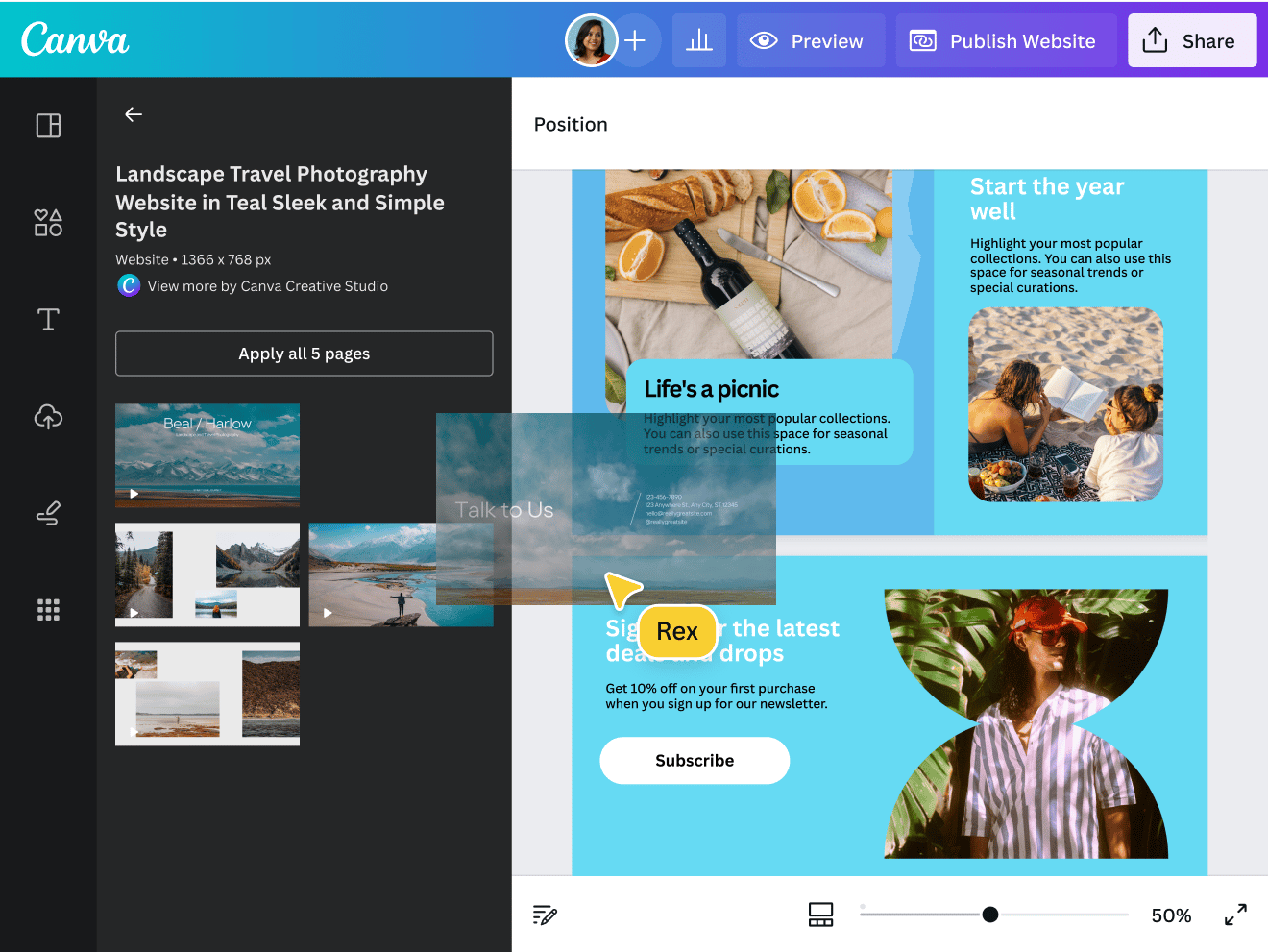
You can make use of devices like Adobe XD, Map Out, and Figma for website design. They offer joint attributes and intuitive interfaces. Do not neglect to check out Canva and WordPress for aesthetically appealing and fast website design.
How Frequently Should I Update My Website's Style?
You should update your web site's layout every 1-3 years, or whenever substantial adjustments happen in your brand or industry. Regular updates maintain your site fresh, appealing, and straightened with present fads to attract site visitors effectively.
Should I Hire a Specialist or Style It Myself?
You ought to consider your skills and time. If you're confident and have the sources, designing it yourself can be fulfilling. Employing a specialist assurances brightened outcomes and saves you time for various other priorities.
What Are Usual Web Style Blunders to Avoid?
Stay clear of messy layouts, inconsistent typefaces, and poor navigating. Don't overlook mobile responsiveness or fail to remember to enhance loading rates. Focus on user experience, ensuring your style's useful and visually attractive, so visitors stay involved and explore further.
How Can I Determine the Success of My Website Design?
To measure your website design's success, track individual involvement metrics like bounce prices, session period, and conversion prices. Collect comments through studies and analyze traffic patterns. Change your style based on the understandings you get. While you might have a stunning design, it won't matter if your users can't navigate your website conveniently. When developing your website, you can not forget the significance of receptive design. Bear in mind, a responsive style not just boosts individual interaction but also increases your site's search engine position (web design london ontario). Aesthetic pecking order is crucial in web style, leading users via your content flawlessly. To measure your internet layout's success, track individual engagement metrics like bounce prices, session period, and conversion rates